Aspirin
Brand: Ecosprin / Ascard
Antiplatelet
COX-1 inhibitor (irreversible)
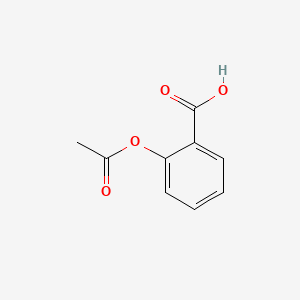
Pharmacokinetics
| Half-life | 3 hours |
| Tmax | 0.5 h |
| Bioavailability | 68 % (approx) |
| Protein Binding | 90 % |
| Volume of Distribution | 0.15 L/kg (approx) |
| Clearance Route | hepatic |
| Active Metabolites | yes |
| Notes | Aspirin exhibits first-order elimination at low doses and zero-order elimination at high/toxic doses due to enzyme saturation. | Updated 2025: Current AHA/USPSTF guidance discourages routine aspirin use for primary prevention in adults ≥60 years due to elevated bleeding risk and limited cardiovascular benefit. Continue low-dose therapy for established ASCVD (secondary prevention). Consider PPI co-therapy in chronic users or those with GI risk factors. Use lowest effective dose (75–100 mg/day). References: https://www.ahajournals.org/doi/10.1161/CIR.0000000000001122 , https://www.uspreventiveservicestaskforce.org/uspstf/recommendation/aspirin-to-prevent-cardiovascular-disease |
⚠️ Safety & Warnings
Severity: Severe
Adverse Effects:
GI irritation, dyspepsia, gastritis, peptic ulcer/bleeding risk, renal impairment (dose-dependent), tinnitus at toxic levels, metabolic acidosis in overdose, Reye's syndrome risk in children/viral illness
Contraindications:
Active peptic ulcer disease or GI bleeding, severe asthma with NSAID sensitivity, severe renal/hepatic failure, children with viral fever (risk of Reye's syndrome)
Precautions:
Use lowest effective dose; avoid in dehydration/renal compromise; monitor for GI bleeding in elderly; caution in concomitant anticoagulant/steroid use; zero-order accumulation possible at high/toxic doses due to metabolic saturation