Summary / Overview
- The virus spreads through airborne respiratory droplets and remains suspended in air for up to 2 hours
- Natural infection produces **lifelong immunity**.
Etiology
- Caused by the Measles virus — an enveloped, single-stranded, negative-sense RNA virus.
- H protein mediates viral attachment to host receptors SLAM (CD150) and Nectin-4.
- F protein enables membrane fusion and formation of multinucleated giant cells (syncytia).
Pathogenesis
- Primary replication in respiratory epithelium
- Viremia spreads virus to reticuloendothelial system
- Immune-mediated rash formation
Symptoms
- High fever 103–105°F (39.5–40.5°C)
- 3 C’s: Cough, Coryza, Conjunctivitis
- Koplik spots — appear before rash
- Koplik spots
Signs
- Generalized maculopapular rash
- Confluent rash starting at hairline
- Koplik spots (pathognomonic)
- • Fever 103–105°F (39.5–40.5°C)
- • Conjunctivitis with photophobia
- • Coryza (“snuffy nose”)
Clinical Features
- Three C’s: Cough, Coryza, Conjunctivitis
- Koplik spots precede rash by 1–2 days
- Cephalocaudal rash progression
- • Incubation: 10–14 days
- • Exanthem:
Differential Diagnosis
- Rubella (German measles)
- Roseola (HHV-6/7)
- Dengue (rash + myalgia)
- • Drug-induced exanthems
- • Parvovirus B19 (erythema infectiosum / Fifth disease)
- • Enteroviral exanthems
Complications
- Pneumonia — most common cause of death
- Acute encephalitis
- Subacute Sclerosing Panencephalitis (SSPE)
Treatment
- Supportive care only — no antiviral
- Vitamin A reduces mortality
Prevention
- MMR vaccine — highly effective
- Routine childhood immunization prevents outbreaks
Pathology
- Warthin–Finkeldey giant cells (pathognomonic)
- Multinucleated giant cells in lymphoid tissue
Radiology / Imaging
- • Viral pneumonia pattern
- Rubella rarely requires imaging
- When pulmonary involvement occurs, pattern resembles general viral pneumonitis
Notes / Teaching points
- Koplik spots are pathognomonic
- Highly contagious: R0 = 12–18
- Vitamin A deficiency worsens disease
Three C’s: Cough, Coryza, Conjunctivitis
Koplik spots precede rash by 1–2 days
Cephalocaudal rash progression
• Incubation: 10–14 days
• Prodrome: 3–5 days of high fever + 3 C’s
• Enanthem: Koplik spots on buccal mucosa
• Exanthem:
– Erythematous maculopapular rash
– Begins at hairline, spreads downward
– Becomes confluent on face & trunk
• Resolution:
– Rash darkens → desquamates
– Fever settles after rash peaks
• Highly contagious: 4 days before to 4 days after rash
• Photophobia common
Pneumonia — most common cause of death
Acute encephalitis
Subacute Sclerosing Panencephalitis (SSPE)
• Otitis media
• Severe diarrhea → dehydration
• Laryngotracheobronchitis (croup)
• Keratitis → blindness (vitamin A deficiency)
• Hepatitis (rare)
• Febrile seizures
• Pregnant women: miscarriage, preterm labour
• Immunocompromised: giant cell pneumonia, severe disease
SSPE appears 7–10 years after infection.
Rubella (German measles)
Roseola (HHV-6/7)
Dengue (rash + myalgia)
• Scarlet fever
• Varicella (chickenpox)
• Drug-induced exanthems
• Kawasaki disease
• Parvovirus B19 (erythema infectiosum / Fifth disease)
• Enteroviral exanthems
• COVID-19 (in some children)
Caused by the Measles virus — an enveloped, single-stranded, negative-sense RNA virus.
The Measles virus belongs to the genus *Morbillivirus* and the family *Paramyxoviridae*.
It is a pleomorphic, enveloped virus with a helical nucleocapsid and two major surface
glycoproteins: **Hemagglutinin (H)** and **Fusion (F)** proteins.
H protein mediates viral attachment to host receptors SLAM (CD150) and Nectin-4.
F protein enables membrane fusion and formation of multinucleated giant cells (syncytia).
There is only **one serotype** of measles virus. Multiple genotypes (A, B1–B3, C1–C2,
D1–D11, E, F, G1–G3, H1–H2) exist, but they do not significantly affect immunity or
clinical disease.
Humans are the **only reservoir**; no animal hosts are involved.
*Transmission is airborne*, via respiratory droplets and aerosolized particles.
The virus remains suspended and infectious in air for **up to 2 hours**.
*Extremely high contagiousness:* reproduction number (R0) **12–18**, among the highest of all viruses.
Koplik spots are pathognomonic
Highly contagious: R0 = 12–18
Vitamin A deficiency worsens disease
• Measles suppresses immune memory (“immune amnesia”)
• Mortality highest in malnourished children
• SSPE: late fatal neurological disease
• Rash appears when immune system attacks infected cells
Primary replication in respiratory epithelium
Viremia spreads virus to reticuloendothelial system
Immune-mediated rash formation
• Entry via respiratory droplets
• Virus binds CD150 (SLAM) receptors on dendritic cells, macrophages & lymphocytes
• Transport to regional lymph nodes → **primary replication**
• **Primary viremia** spreads virus to:
– spleen
– liver
– thymus
– bone marrow
• **Secondary viremia** disseminates virus to:
– skin
– conjunctiva
– respiratory epithelium
– GI mucosa
• **Rash mechanism**
– not viral cytopathy
– **T-cell immune response** against measles-infected endothelial cells
• Causes **profound immune suppression** lasting weeks
• Leads to ↑ risk of otitis media, pneumonia, diarrhea
• Rarely infects CNS → acute encephalitis or SSPE
Warthin–Finkeldey giant cells (pathognomonic)
Multinucleated giant cells in lymphoid tissue
• Primary replication: nasopharynx & lymph nodes
• Viremia spreads virus to:
– skin
– conjunctiva
– respiratory epithelium
– GI tract
– CNS
• Immunosuppression for weeks → secondary infections
MMR vaccine — highly effective
Routine childhood immunization prevents outbreaks
• 1st dose: 9–12 months (Bangladesh/India schedules)
• 2nd dose: 15–18 months or 4–6 years
• Post-exposure prophylaxis:
– MMR within 72 hours
– Immunoglobulin for immunocompromised & pregnant
• Isolation of infected patient
• Good nutrition & vitamin A status reduce severity
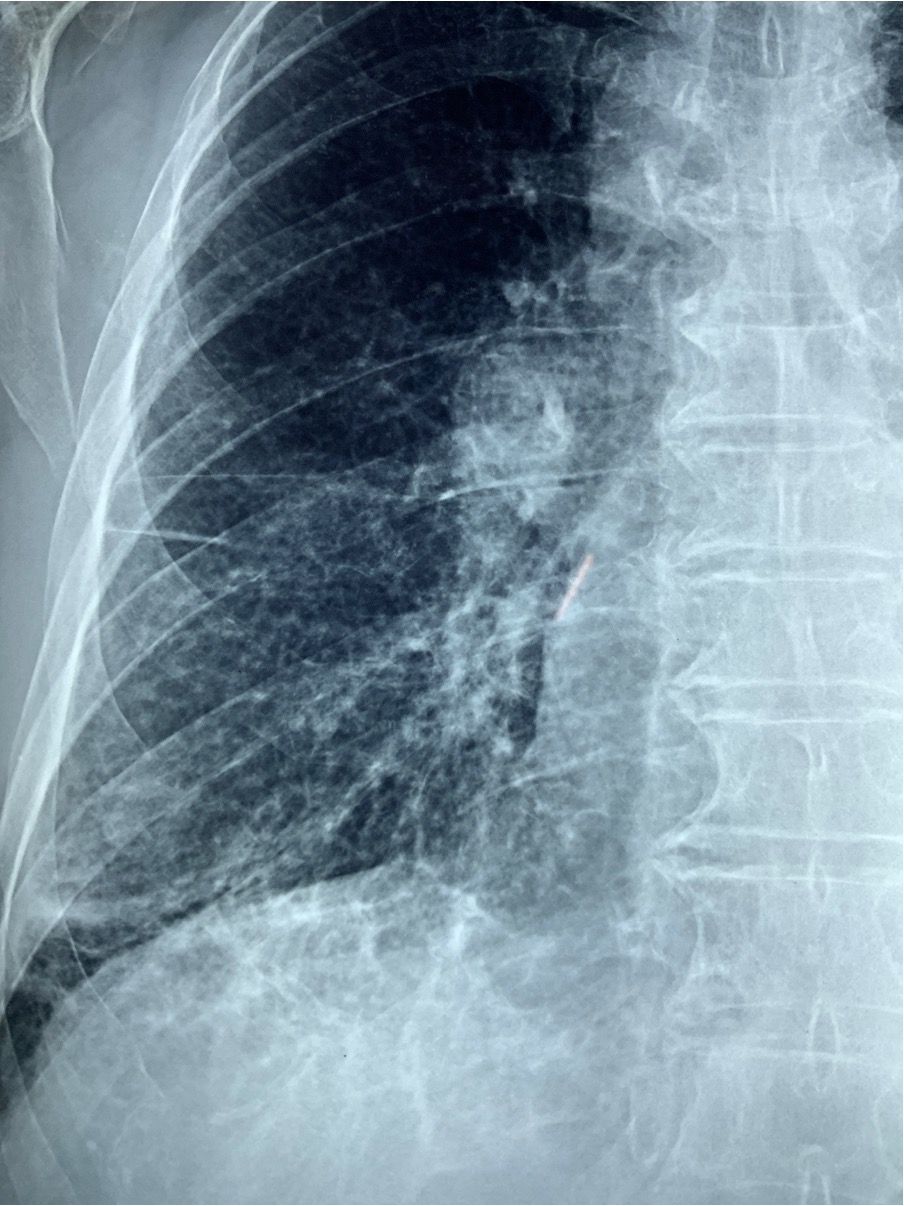
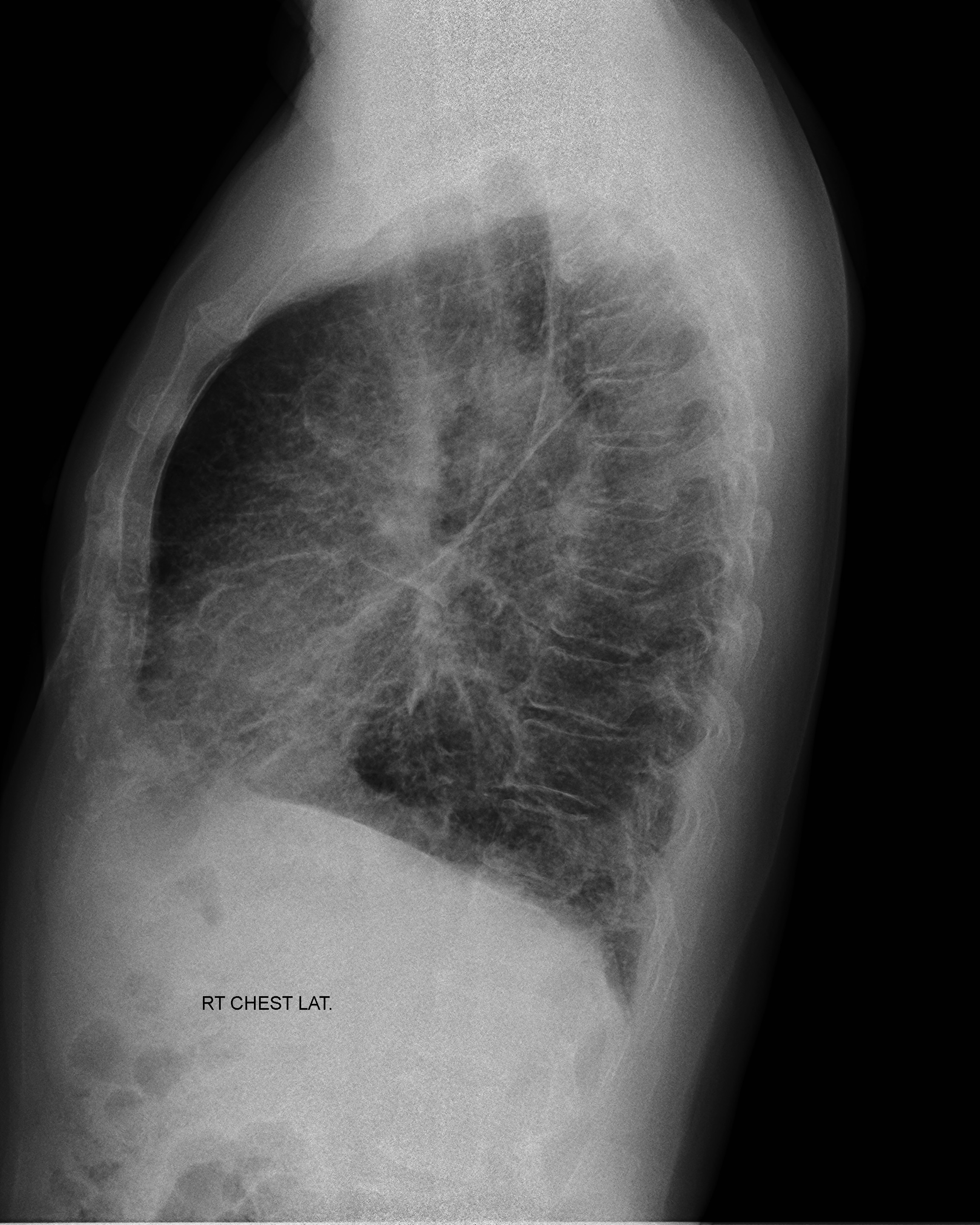
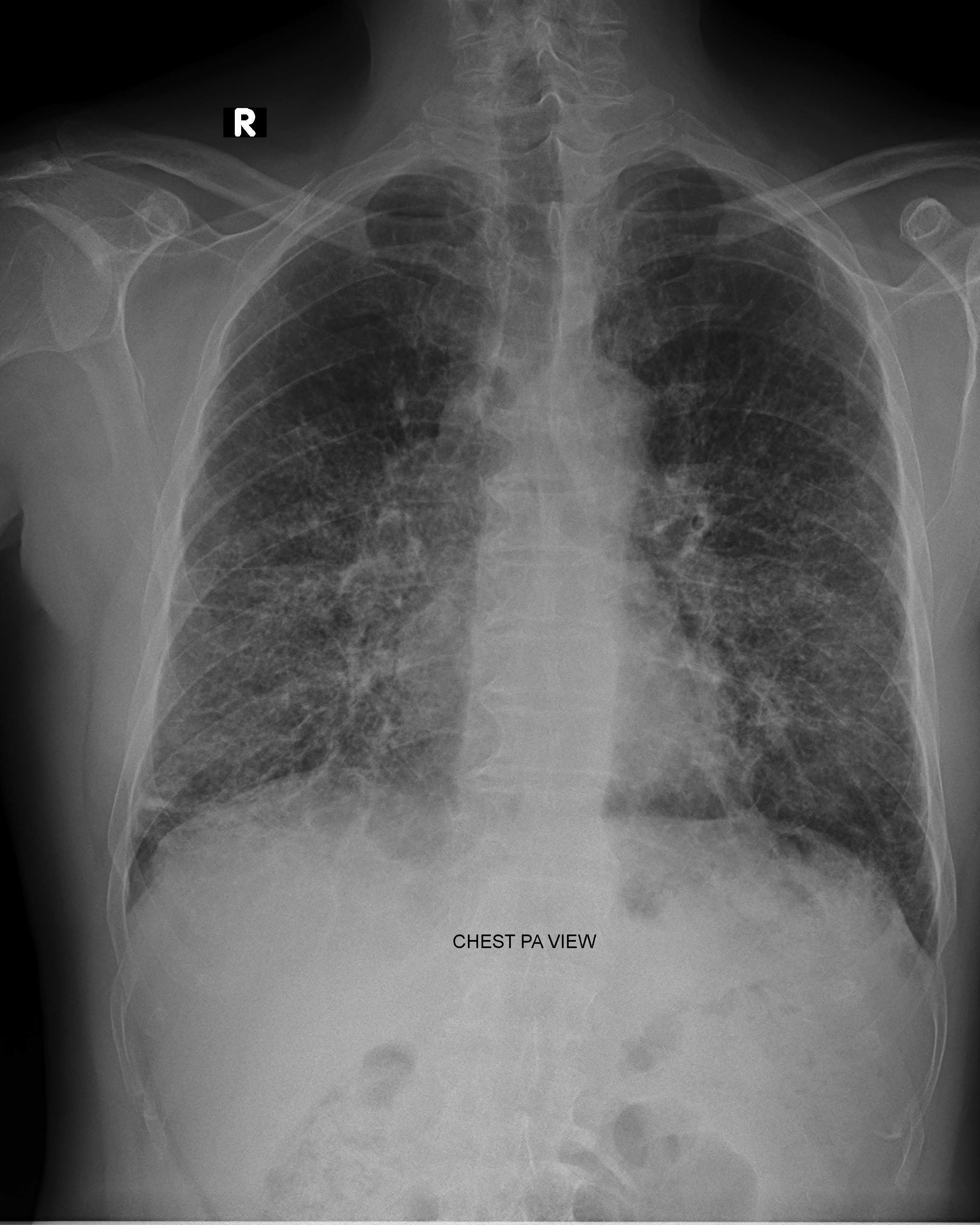
• Viral pneumonia pattern
• Hyperinflation in children
• Patchy bilateral infiltrates
• Peribronchial cuffing
• In severe cases: giant cell pneumonia (rare)
Rubella rarely requires imaging
When pulmonary involvement occurs, pattern resembles general viral pneumonitis
Chest radiograph typically shows:
- Perihilar peribronchial thickening
- Interstitial infiltrates
- Hyperinflation in children
- No focal lobar consolidation (helps distinguish from bacterial pneumonia)
Note: Teaching references often use “viral pneumonitis pattern X-rays” because rubella-specific radiology is uncommon but the general viral pattern is relevant.
References
Dept_reference
Viral pneumonitis
Dr Sankaran • 2025-11-17 12:41:44
Dept_reference
Dr Sankaran • 2025-11-17 12:29:19
Dept_reference
Dr Sankaran • 2025-11-17 12:29:08
Single serotype
• Measles virus (paramyxovirus) has **one serotype**
• Several genotypes exist (A, B, C, D, G, H groups)
• Vaccine derived from genotype A
• Immunity cross-protects against all genotypes
Generalized maculopapular rash
Confluent rash starting at hairline
Koplik spots (pathognomonic)
• Fever 103–105°F (39.5–40.5°C)
• Toxic, ill-appearing
• Conjunctivitis with photophobia
• Coryza (“snuffy nose”)
• Harsh barking cough
• Lymphadenopathy (post-auricular & cervical)
• Pharyngeal erythema
• Periorbital edema (occasionally)
• Diarrhea (children)
Koplik spots appear 1–2 days before the rash
and fade as the rash progresses.
*Measles (Rubeola)* is a highly contagious acute viral illness caused by the Measles virus,
a single-stranded, negative-sense RNA virus of the genus *Morbillivirus* (family Paramyxoviridae).
The virus spreads through airborne respiratory droplets and remains suspended in air for up to 2 hours
even after an infected person has left the area. Infectivity begins 4 days before rash onset and continues
until 4 days after rash appearance.
Measles is one of the most transmissible infections known, with a secondary attack rate approaching *90%*
among susceptible contacts. Outbreaks occur in communities with low vaccination coverage.
Clinical disease is characterized by *high fever, cough, coryza, conjunctivitis*, Koplik spots, and a
cephalocaudal spreading maculopapular rash. Complications include pneumonia, acute encephalitis,
and *subacute sclerosing panencephalitis (SSPE)*.
Measles is preventable through the *MMR (Measles–Mumps–Rubella)* vaccine, which provides long-lasting
protective immunity and is the cornerstone of global measles elimination strategies.
Natural infection produces **lifelong immunity**.
High fever 103–105°F (39.5–40.5°C)
3 C’s: Cough, Coryza, Conjunctivitis
Koplik spots — appear before rash
• Fever for 3–5 days
• Barking or dry cough
• Runny nose (coryza)
• Red eyes with photophobia
• Fatigue, malaise
• Body aches
• Sore throat
• Poor appetite
• Diarrhea (common in children)
Koplik spots
– Small bluish-white lesions on buccal mucosa
– Appear 1–2 days before rash
– Disappear as rash spreads
Supportive care only — no antiviral
Vitamin A reduces mortality
• Antipyretics (paracetamol)
• Adequate hydration
• Honey + warm fluids for cough
• Avoid aspirin (risk of Reye syndrome)
• Vitamin A:
– <1 year: 100,000 IU/day × 2 days
– >1 year: 200,000 IU/day × 2 days
• Antibiotics only for secondary bacterial infections
• Isolation: 4 days after rash onset
Hospitalization if:
– Respiratory distress
– Dehydration
– Altered sensorium
– Severe diarrhea
– Pneumonia
Tap a card to view full section
Use the coloured cards above (Etiology, Symptoms, Treatment, etc.).