Summary / Overview
- Chikungunya is an acute febrile viral illness transmitted by Aedes mosquitoes (Aedes aegypti, Aedes albopictus).
Etiology
- Chikungunya virus (CHIKV) — Alphavirus, family Togaviridae
- Positive-sense single-stranded RNA virus (ssRNA)
- Aedes aegypti and Aedes albopictus are the primary vectors
- Transmitted by day-biting mosquitoes (peak: early morning + late afternoon)
- Human–mosquito–human transmission cycle
- Incubation period: 2–7 days (range: 1–12 days).
Pathogenesis
- Initial viral replication occurs in skin fibroblasts after mosquito bite
- Viremia leads to viral dissemination to joints, muscles, liver, and lymphoid tissues
- Severe polyarthralgia results from intense inflammatory cytokine release (IL-6, IL-8, GM-CSF)
- Persistent joint pain is due to viral persistence in macrophages + chronic synovitis
- Myalgia and fatigue result from musculoskeletal inflammation and immune activation
- Innate immune response is triggered: IFN-α, IFN-β, and antiviral ISG pathways.
- Joint tissues show synovial hypertrophy, immune cell infiltration, and elevated CRP/ESR.
- In chronic disease (>3 months), viral RNA detected in synovial macrophages → chronic arthropathy.
- Rare complications: meningoencephalitis, myocarditis, hepatitis (due to viral and immune-mediated injury).
Symptoms
- Sudden high fever (39–40°C), abrupt onset
- Severe polyarthralgia — symmetric, debilitating
- Maculopapular rash (40–50% of cases)
- Intense myalgia and fatigue
- Headache, photophobia, retro-orbital pain
- Joint pain typically involves wrists, ankles, knees, phalanges; movement severely restricted.
- Joint swelling is common (periarticular edema).
- Rash appears on trunk and extremities; may be pruritic.
- Differentiation point: Chikungunya pain is **more severe**, dengue is **more hemorrhagic**.
Signs
- High fever (often >38.5–40°C) with acute onset
- Symmetrical joint swelling — wrists, ankles, small joints
- Periarticular edema and restricted joint movement
- Maculopapular or morbilliform rash
- Facial puffiness, limb edema, and conjunctival injection
- Vital signs: high fever, tachycardia common in acute phase.
- Joint involvement pattern: wrists > ankles > knees > small joints of hands and feet.
- Chronic phase (≥3 months): persistent joint swelling, tenosynovitis, morning stiffness, decreased grip strength.
- Neurological: mild tremors, hyperesthesia; severe CNS signs are rare.
Clinical Features
- Abrupt high fever with severe, disabling polyarthralgia
- Symmetrical joint involvement — wrists, ankles, small joints
- Maculopapular rash with facial and trunk distribution
- Prominent fatigue, myalgia, and post-viral lethargy
- Chronic arthropathy persisting >3 months in 30–40% cases
- Chronic phase (3 months to years):
- – Tenosynovitis leading to finger movement restriction.
- – Some develop chronic inflammatory arthritis mimicking rheumatoid arthritis.
Investigations
- CBC: Lymphopenia + mild thrombocytopenia (platelets usually >100,000)
- Inflammatory markers elevated — ESR and CRP
- RT-PCR positive in first 5–7 days of illness
- IgM ELISA positive after day 5 (peaks at 3–5 weeks)
- Joint ultrasound may show synovitis or tenosynovitis
Differential Diagnosis
- Dengue fever — high fever but severe arthralgia is less prominent
- Zika virus infection — conjunctivitis + mild joint pain + pruritic rash
- Rheumatoid arthritis — chronic symmetric polyarthritis but serology positive (RF/anti-CCP)
- Malaria — fever with chills, anemia, splenomegaly; no severe joint pain
- Enterovirus / Parvovirus B19 — arthralgia with viral exanthem in children
Complications
- Persistent chronic arthropathy lasting months to years
- Severe tenosynovitis affecting hands and feet
- Neurological complications — meningoencephalitis, GBS (rare)
- Cardiac involvement — myocarditis, arrhythmias (uncommon)
- Ocular complications — anterior uveitis, retinitis
- – Severe dehydration in elderly due to high fever and poor intake.
- – Guillain–Barré syndrome has been reported.
- – Acute flaccid paralysis extremely rare.
- – Persistent polyarthralgia and stiffness lasting 3–12+ months.
- – Chronic synovitis, joint swelling, reduced mobility.
Treatment
- Supportive management — no antiviral treatment available
- Paracetamol is first-line for fever and pain
- NSAIDs (ibuprofen/naproxen) only after Dengue is excluded
- Short-course corticosteroids may help in severe chronic arthritis
- Persistent arthropathy managed with physiotherapy and DMARDs (hydroxychloroquine)
Prevention
- Prevent Aedes mosquito bites — primary prevention strategy
- Use repellents: DEET, Picaridin, IR3535, or PMD (oil of lemon eucalyptus)
- Eliminate mosquito breeding sites around home and community
- Use long-sleeved clothing and insecticide-treated nets
- Community vector control: larvicides, fogging, and environmental sanitation
Serotypes / Subtypes
- Three major genotypes: West African, East/Central/South African (ECSA), and Asian
- Genotypes differ genetically but produce clinically similar disease
- ECSA lineage was responsible for the 2005–2006 Indian Ocean outbreak
- A226V mutation in E1 protein increased transmission by Aedes albopictus
- Asian genotype dominates outbreaks in Southeast Asia
Pathology
- Primary infection in skin fibroblasts and dermal macrophages at bite site
- Viral spread leads to synovial inflammation and tenosynovitis
- Joint pathology shows lymphocytic infiltration and synovial hypertrophy
- Persistent viral RNA found in macrophages during chronic arthritis
- Muscle pathology shows myositis with inflammatory infiltrates
Radiology / Imaging
- Most useful modality: Ultrasound — shows synovitis + joint effusion
- Tenosynovitis of wrists, ankles, and fingers is a hallmark finding
- MRI may show soft tissue edema and persistent synovial inflammation
- No bony erosions — helps differentiate from rheumatoid arthritis
- Imaging mainly used in chronic arthropathy (>3 months)
Notes / Teaching points
- Severe joint pain is the most distinguishing feature compared to Dengue
- Platelets usually remain >100,000 — helps rule out Dengue
- Chronic arthritis may persist for months to years
- Tenosynovitis of wrists/ankles is a hallmark of chronic disease
- A226V mutation increased transmission via Aedes albopictus
Other
- Exanthem — a widespread rash seen in viral infections
- Maculopapular rash — flat red areas with small raised bumps
- Polyarthralgia — pain affecting multiple joints simultaneously
- Tenosynovitis — inflammation of the tendon sheath causing movement pain
- Synovial hypertrophy — thickening of the joint lining due to inflammation
Abrupt high fever with severe, disabling polyarthralgia
Symmetrical joint involvement — wrists, ankles, small joints
Maculopapular rash with facial and trunk distribution
Prominent fatigue, myalgia, and post-viral lethargy
Chronic arthropathy persisting >3 months in 30–40% cases
Onset is abrupt: fever, chills, intense joint pain, and stiffness.
Joint involvement affects wrists, ankles, knees, phalanges, and feet; movement becomes extremely painful.
Synovitis, tenosynovitis, and periarticular swelling are common.
Rash: erythematous maculopapular or morbilliform, often pruritic; appears 2–5 days after fever onset.
Gastrointestinal: nausea, vomiting, abdominal pain in some patients.
Neurological: headache, photophobia, irritability; rare cases may show neuropathic pain.
Eye involvement: conjunctival injection; rare anterior uveitis.
Children: bullous lesions, oral ulcers, irritability, refusal to walk.
Elderly: prolonged fatigue, prolonged incapacity to walk, severe joint stiffness.
Chronic phase (3 months to years):
– Recurrent joint pain and stiffness, worse in mornings.
– Symmetric hand/foot swelling, reduced grip strength.
– Tenosynovitis leading to finger movement restriction.
– Some develop chronic inflammatory arthritis mimicking rheumatoid arthritis.
References
Dept_reference
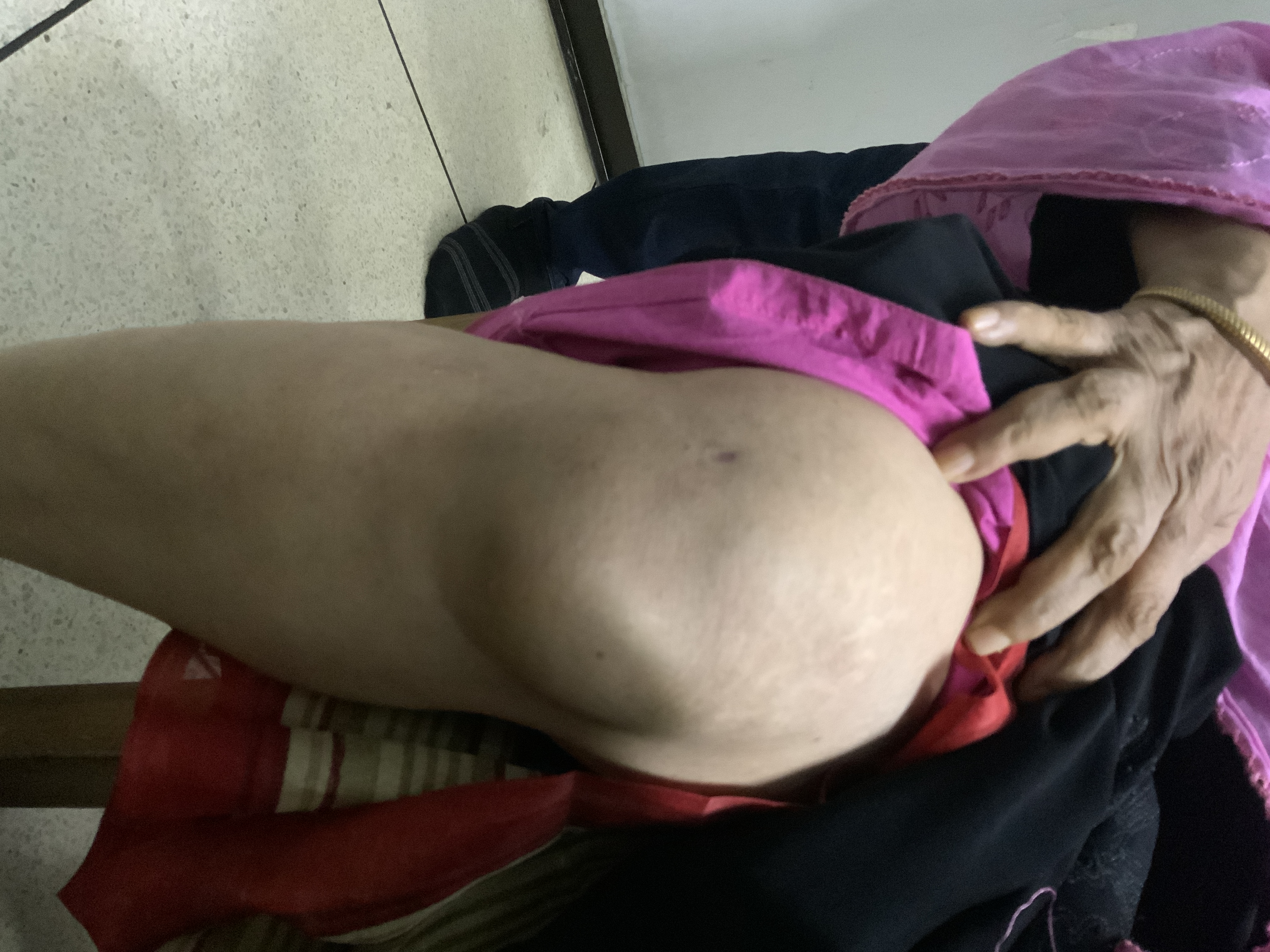
Peri Patellar effusion • 2025-11-17 00:35:05
Persistent chronic arthropathy lasting months to years
Severe tenosynovitis affecting hands and feet
Neurological complications — meningoencephalitis, GBS (rare)
Cardiac involvement — myocarditis, arrhythmias (uncommon)
Ocular complications — anterior uveitis, retinitis
Acute complications:
– Severe dehydration in elderly due to high fever and poor intake.
– Hepatitis: mild to moderate elevation of liver enzymes.
– Hemorrhagic manifestations are rare compared to Dengue.
– Bullous skin lesions more common in children.
– Hypotension due to volume depletion (not plasma leakage like Dengue).
Neurological:
– Encephalitis, encephalopathy, seizures (rare but documented).
– Guillain–Barré syndrome has been reported.
– Acute flaccid paralysis extremely rare.
Cardiac:
– Myocarditis with elevated troponin and ECG changes.
– Sinus tachycardia, arrhythmias, rare cardiogenic shock.
Renal:
– Acute kidney injury in elderly or in those with comorbidities.
Ocular:
– Conjunctivitis, anterior uveitis, optic neuritis, retinitis.
Chronic complications:
– Persistent polyarthralgia and stiffness lasting 3–12+ months.
– Chronic synovitis, joint swelling, reduced mobility.
– Mimics rheumatoid arthritis but seronegative.
*– Tenosynovitis and carpal tunnel-like symptoms*.
– Fatigue and depression (post-viral syndrome).
Dengue fever — high fever but severe arthralgia is less prominent
Zika virus infection — conjunctivitis + mild joint pain + pruritic rash
Rheumatoid arthritis — chronic symmetric polyarthritis but serology positive (RF/anti-CCP)
Malaria — fever with chills, anemia, splenomegaly; no severe joint pain
Enterovirus / Parvovirus B19 — arthralgia with viral exanthem in children
Dengue fever:
– Fever and myalgia prominent; joint pain milder compared to Chikungunya.
– Hemorrhagic manifestations more common.
– Platelets drop significantly; hemoconcentration typical.
Zika virus:
– Rash more pruritic; conjunctivitis common.
– Joint pain milder and shorter in duration.
– Associated with neurological complications (GBS, microcephaly in pregnancy).
Malaria (P. falciparum / vivax):
– Fever pattern cyclic (tertian/quartan).
– Anemia, splenomegaly, thrombocytopenia.
– No disabling arthralgia.
Rheumatoid arthritis:
– Chronic, symmetric small joint arthritis.
– RF and anti-CCP positive in RA (usually negative in Chikungunya).
– Erosive changes on imaging in long-standing RA.
Dengue–Chikungunya coinfection:
– Severe joint pain + thrombocytopenia + rash.
– Requires careful CBC/hematocrit monitoring.
Leptospirosis:
– Fever, myalgia, headache.
– Conjunctival suffusion + jaundice in severe cases.
– Arthralgia less severe.
Septic arthritis:
– Monoarticular severe joint pain, redness, warmth.
– High fever, elevated CRP/PCT.
– Requires urgent aspiration.
Parvovirus B19:
– “Slapped cheek” rash in children.
– Adults: arthralgia mimicking RA; IgM/IgG help diagnosis.
COVID-19 viral arthropathy:
– Polyarthralgia with fatigue.
– Associated respiratory or anosmia symptoms.
Chikungunya virus (CHIKV) — Alphavirus, family Togaviridae
Positive-sense single-stranded RNA virus (ssRNA)
Aedes aegypti and Aedes albopictus are the primary vectors
Transmitted by day-biting mosquitoes (peak: early morning + late afternoon)
Human–mosquito–human transmission cycle
Chikungunya virus belongs to the Semliki Forest antigenic complex.
Morphology: Enveloped virus, ~60–70 nm diameter, icosahedral symmetry.
Genome: Linear, 11.8 kb RNA encodes non-structural (nsP1–nsP4) and structural proteins.
Environmental stability: Sensitive to heat, desiccation, UV; survives short time in environment.
Reservoirs: Primarily humans during outbreaks; primates in sylvatic cycles (Africa).
Incubation period: 2–7 days (range: 1–12 days).
CBC: Lymphopenia + mild thrombocytopenia (platelets usually >100,000)
Inflammatory markers elevated — ESR and CRP
RT-PCR positive in first 5–7 days of illness
IgM ELISA positive after day 5 (peaks at 3–5 weeks)
Joint ultrasound may show synovitis or tenosynovitis
CBC: Mild leukopenia or normal WBC; lymphopenia common. Platelets generally preserved (unlike Dengue).
LFT: Mild elevation in AST/ALT may occur.
ESR/CRP: Often significantly elevated, correlating with joint inflammation.
Urinalysis: Usually normal.
Virological tests:
– RT-PCR: Best test during acute phase (day 1–7), detects viral RNA.
– Viral culture: Rarely done, specialized centers only.
Serology:
– IgM: Detectable from day 5; persists 1–3 months.
– IgG: Appears after week 2; persists for years.
– Cross-reactivity: CHIKV IgM may cross-react with other alphaviruses.
Chronic phase (>3 months):
– ESR/CRP may remain elevated.
– Autoimmune mimics: RF and anti-CCP usually negative.
Imaging:
– Joint ultrasound: synovial hypertrophy, joint effusion, tenosynovitis.
– MRI (rarely needed): soft tissue edema, chronic arthritis changes.
Differentiation from Dengue:
– Dengue: marked leukopenia + thrombocytopenia + hemoconcentration.
– Chikungunya: severe joint pain + mild thrombocytopenia + high ESR/CRP.
Severe joint pain is the most distinguishing feature compared to Dengue
Platelets usually remain >100,000 — helps rule out Dengue
Chronic arthritis may persist for months to years
Tenosynovitis of wrists/ankles is a hallmark of chronic disease
A226V mutation increased transmission via Aedes albopictus
Key diagnostic clue:
– Pain severity is out of proportion to clinical findings.
– Patients often describe “I cannot move my joints at all.”
Differentiation from Dengue:
– Dengue: high fever + myalgia + thrombocytopenia + bleeding.
– Chikungunya: severe arthralgia + synovitis + rash; bleeding rare.
– Platelets remain near-normal in Chikungunya.
Chronology:
– Acute phase: 1–2 weeks.
– Subacute phase: 3–6 weeks.
– Chronic phase: >12 weeks; mimics rheumatoid arthritis.
High-risk groups for chronic arthritis:
– Older age.
– Prior joint disease.
– High initial viral load.
– Female sex.
Red flag features requiring evaluation:
– Monoarticular severe swelling → rule out septic arthritis.
– Altered consciousness → consider encephalitis (rare).
– Chest pain → myocarditis consideration.
Therapeutic pearls:
– NSAIDs only AFTER Dengue is excluded.
– Hydroxychloroquine effective for chronic CHIKV arthritis.
– Steroids used only for short course in chronic inflammatory phase.
Pregnancy & neonates:
– Vertical transmission risk highest when mother infected intrapartum.
– Neonates may develop severe illness (encephalopathy, skin lesions).
Public health notes:
– Day-biting mosquitoes → repellents required throughout the day.
– Elimination of breeding sites is the most effective community strategy.
Teaching aids:
– Compare with Dengue and Zika for differential diagnosis.
– Emphasize joint involvement patterns and chronic symptoms.
Exanthem — a widespread rash seen in viral infections
Maculopapular rash — flat red areas with small raised bumps
Polyarthralgia — pain affecting multiple joints simultaneously
Tenosynovitis — inflammation of the tendon sheath causing movement pain
Synovial hypertrophy — thickening of the joint lining due to inflammation
Exanthem:
An exanthem is a widespread rash caused by a systemic infection.
In viral illnesses like Chikungunya, it appears as red spots, blotches, or bumps.
It is often accompanied by fever, fatigue, and body aches.
Maculopapular rash:
A rash that consists of both:
– macules (flat colored spots)
– papules (small raised bumps)
Common in Chikungunya, Dengue, and viral exanthems.
Polyarthralgia:
“Poly” = many, “arthralgia” = joint pain.
Severe, symmetrical joint pain is the hallmark of Chikungunya.
Movement becomes difficult and extremely painful.
Tenosynovitis:
Inflammation of the fluid-filled sheath surrounding a tendon.
In Chikungunya, this occurs in wrists, ankles, and fingers — causing stiffness.
This distinguishes CHIKV arthritis from simple post-viral joint pain.
Synovial hypertrophy:
When the synovium (joint lining) becomes thick and inflamed.
Seen in ultrasound/MRI of chronic Chikungunya arthritis.
Unlike rheumatoid arthritis, erosions are usually absent.
Viral vs bacterial exanthem:
A viral exanthem is a rash caused by a virus (e.g., Chikungunya, measles, rubella).
A bacterial exanthem may occur in illnesses like scarlet fever or toxic shock.
Viral exanthems usually resolve on their own; bacterial ones often need antibiotics.
Post-viral fatigue:
Common after CHIKV infection — prolonged tiredness due to immune activation.
Post-viral arthritis:
Joint pain and stiffness lasting weeks to months after infection.
In Chikungunya, this chronic phase may resemble rheumatoid arthritis but is seronegative.
Conjunctival injection:
Redness of eyes due to dilated conjunctival vessels.
Common in Chikungunya and Zika; rare in Dengue.
Persistent arthropathy:
Chronic joint pain, swelling, and morning stiffness for >12 weeks.
Seen in up to 40% of Chikungunya cases, especially older adults.
Initial viral replication occurs in skin fibroblasts after mosquito bite
Viremia leads to viral dissemination to joints, muscles, liver, and lymphoid tissues
Severe polyarthralgia results from intense inflammatory cytokine release (IL-6, IL-8, GM-CSF)
Persistent joint pain is due to viral persistence in macrophages + chronic synovitis
Myalgia and fatigue result from musculoskeletal inflammation and immune activation
After inoculation, CHIKV infects keratinocytes, endothelial cells, macrophages, and dendritic cells.
Innate immune response is triggered: IFN-α, IFN-β, and antiviral ISG pathways.
Peak viremia occurs during first 3–5 days and correlates with fever severity.
Joint tissues show synovial hypertrophy, immune cell infiltration, and elevated CRP/ESR.
In chronic disease (>3 months), viral RNA detected in synovial macrophages → chronic arthropathy.
Rare complications: meningoencephalitis, myocarditis, hepatitis (due to viral and immune-mediated injury).
Primary infection in skin fibroblasts and dermal macrophages at bite site
Viral spread leads to synovial inflammation and tenosynovitis
Joint pathology shows lymphocytic infiltration and synovial hypertrophy
Persistent viral RNA found in macrophages during chronic arthritis
Muscle pathology shows myositis with inflammatory infiltrates
Entry + local replication:
– Virus enters via Aedes mosquito bite.
– Replicates initially in dermal fibroblasts, macrophages, and endothelial cells.
– Early lesions show perivascular inflammation.
Viremia phase:
– Virus disseminates via bloodstream to joints, muscles, liver, spleen.
Joint pathology:
– Synovial membrane becomes edematous and thickened.
– Lymphocytes, macrophages, and plasma cells infiltrate synovium.
– Synovial hypertrophy causes pain and stiffness.
– Tenosynovitis: inflammatory infiltration of tendon sheaths, causing severe movement restriction.
Chronic arthropathy (>12 weeks):
– Viral RNA persists in synovial macrophages.
– Chronic inflammation mimics rheumatoid arthritis but seronegative.
– Joint cartilage typically preserved (unlike RA).
– Persistent swelling due to synovial hyperplasia and chronic inflammation.
Muscle pathology:
– Myositis: inflammatory infiltrates in muscle fibers.
– Elevated CK is uncommon but muscle tenderness common.
Liver:
– Mild lobular hepatitis with lymphocytic infiltration.
– Occasional periportal inflammatory changes.
Neurological pathology (rare):
– Lymphocytic meningoencephalitis.
– Microglial activation.
Vascular:
– Endothelial activation → increased cytokine release (IL-6, IL-8, GM-CSF).
Prevent Aedes mosquito bites — primary prevention strategy
Use repellents: DEET, Picaridin, IR3535, or PMD (oil of lemon eucalyptus)
Eliminate mosquito breeding sites around home and community
Use long-sleeved clothing and insecticide-treated nets
Community vector control: larvicides, fogging, and environmental sanitation
Individual preventive measures:
– Use EPA-approved repellents:
• DEET (20–30%)
• Picaridin
• IR3535
• PMD (para-menthane-3,8-diol)
– Apply repellents to exposed skin; reapply as recommended.
– Wear light-colored, long-sleeved clothing; Aedes bites during daytime.
– Use mosquito coils, vaporizers, window screens, and air-conditioning where possible.
– Sleeping under insecticide-treated nets, especially for infants and pregnant women.
Environmental and community-level control:
– Remove stagnant water: buckets, flowerpots, old tires, containers.
– Cover water storage tanks; clean weekly.
– Community campaigns to eliminate breeding sites.
– Larvicides (e.g., temephos) for water containers where draining is not possible.
– Fogging during outbreaks to reduce adult mosquito density.
Travel advice:
– Use repellents throughout day; risk highest at dawn and dusk.
– Avoid visiting outbreak zones if immunocompromised, elderly, or pregnant.
– Continue preventive measures for at least 7 days after symptom onset to avoid infecting mosquitoes.
Vaccine status:
– No licensed vaccine yet; candidates under clinical development.
Most useful modality: Ultrasound — shows synovitis + joint effusion
Tenosynovitis of wrists, ankles, and fingers is a hallmark finding
MRI may show soft tissue edema and persistent synovial inflammation
No bony erosions — helps differentiate from rheumatoid arthritis
Imaging mainly used in chronic arthropathy (>3 months)
Acute phase:
– Imaging is usually not required.
– Ultrasound may show:
• Mild joint effusion
• Synovial thickening
• Periarticular edema
– Tenosynovitis particularly common in wrists, ankles, and flexor tendons.
Chronic phase (>12 weeks):
– Ultrasound:
• Persistent synovial hypertrophy
• Tenosynovitis (flexor > extensor)
• Doppler signal indicating active synovitis
– No erosions — important differentiator from rheumatoid arthritis.
MRI findings (rarely required):
– Synovial enhancement.
– Soft tissue and periarticular edema.
– Tenosynovial fluid collections.
– Myositis or muscle edema in severe cases.
– No significant cartilage destruction.
Differentiation:
– Dengue: musculoskeletal imaging usually normal; no synovitis.
– Rheumatoid arthritis: erosions + pannus; not seen in Chikungunya.
– Septic arthritis: large effusion, bone marrow edema — rule out if monoarticular.
When to image:
– Severe persistent joint pain >6–12 weeks.
– To differentiate chronic CHIKV arthritis from RA.
– To evaluate tenosynovitis causing hand stiffness or carpal-tunnel–like symptoms.
Three major genotypes: West African, East/Central/South African (ECSA), and Asian
Genotypes differ genetically but produce clinically similar disease
ECSA lineage was responsible for the 2005–2006 Indian Ocean outbreak
A226V mutation in E1 protein increased transmission by Aedes albopictus
Asian genotype dominates outbreaks in Southeast Asia
Chikungunya virus (CHIKV) shows genetic variation classified into:
1. West African genotype — geographically restricted, lower outbreak frequency.
2. East/Central/South African (ECSA) genotype — caused the major Indian Ocean and South Asia epidemics.
3. Asian genotype — currently circulating widely in Southeast Asia, including Bangladesh, India, Thailand.
E1–A226V mutation:
– Mutation in the E1 envelope protein.
– Enhances replication and transmissibility in *Aedes albopictus*.
– Responsible for explosive outbreaks in India, Sri Lanka, and Indian Ocean islands.
Despite genetic variation:
– Clinical disease is very similar across genotypes.
– No clinically significant differences in severity.
– No known differences in vaccine or antiviral response (currently none in routine use).
Phylogenetics:
– Genomic sequencing used in outbreak tracking.
– Evolution and lineage replacement occur regionally depending on mosquito ecology.
High fever (often >38.5–40°C) with acute onset
Symmetrical joint swelling — wrists, ankles, small joints
Periarticular edema and restricted joint movement
Maculopapular or morbilliform rash
Facial puffiness, limb edema, and conjunctival injection
Vital signs: high fever, tachycardia common in acute phase.
Musculoskeletal: marked tenderness over affected joints, reduced range of motion, difficulty weight bearing.
Joint involvement pattern: wrists > ankles > knees > small joints of hands and feet.
Rash: erythematous maculopapular, trunk and extremities; may include face.
Occasional desquamation in recovery phase.
Lymphadenopathy: cervical or generalized, mild.
Hematology (clinically visible): mild bleeding manifestations are rare (petechiae uncommon compared to Dengue).
Children: blistering lesions, oral ulcers, higher irritability.
Chronic phase (≥3 months): persistent joint swelling, tenosynovitis, morning stiffness, decreased grip strength.
Neurological: mild tremors, hyperesthesia; severe CNS signs are rare.
Chikungunya is an acute febrile viral illness transmitted by Aedes mosquitoes (Aedes aegypti, Aedes albopictus).
It is caused by Chikungunya virus (CHIKV), an RNA virus belonging to the genus Alphavirus, family Togaviridae.
The disease is characterized by:
– sudden onset high fever,
– severe incapacitating polyarthralgia,
– headache,
– myalgia,
– rash.
The hallmark is *persistent joint pain* which may last weeks to months due to immune-mediated inflammation.
Chikungunya does not usually cause life-threatening complications, but severe disease may occur in elderly, pregnant women, newborns, and patients with comorbidities.
Unlike dengue, hemorrhage and plasma leakage are uncommon.
Aedes mosquitoes bite mainly during daytime, making vector control essential.
There is no specific antiviral treatment; management is supportive with analgesics, hydration and rest.
Sudden high fever (39–40°C), abrupt onset
Severe polyarthralgia — symmetric, debilitating
Maculopapular rash (40–50% of cases)
Intense myalgia and fatigue
Headache, photophobia, retro-orbital pain
Fever begins abruptly, often with chills and rigors.
Joint pain typically involves wrists, ankles, knees, phalanges; movement severely restricted.
Joint swelling is common (periarticular edema).
Rash appears on trunk and extremities; may be pruritic.
Gastrointestinal symptoms: nausea, vomiting, abdominal discomfort.
Neurological: irritability, mood disturbance, occasional neuropathic pain.
In children: bullous skin lesions, oral ulcers, more irritability.
Chronic symptoms (>3 months): persistent arthralgia, morning stiffness, hand/foot swelling.
Differentiation point: Chikungunya pain is **more severe**, dengue is **more hemorrhagic**.
Supportive management — no antiviral treatment available
Paracetamol is first-line for fever and pain
NSAIDs (ibuprofen/naproxen) only after Dengue is excluded
Short-course corticosteroids may help in severe chronic arthritis
Persistent arthropathy managed with physiotherapy and DMARDs (hydroxychloroquine)
Acute phase (first 1–2 weeks):
– Hydration and rest are essential.
– Paracetamol (acetaminophen) preferred for fever/pain.
– Avoid NSAIDs initially until Dengue is ruled out (risk of bleeding).
– If Dengue is excluded: ibuprofen, naproxen, or diclofenac may be used.
Joint pain management:
– Cold or warm compresses.
– Gentle joint mobilization exercises as pain improves.
Steroids:
– Not recommended in acute phase.
– In chronic phase (>6 weeks), low-dose prednisolone (5–10 mg/day) may benefit severe synovitis.
– Taper slowly over 1–2 weeks; avoid prolonged steroid use.
Chronic chikungunya arthritis (3 months – years):
– NSAIDs for symptom control.
– Hydroxychloroquine (HCQ) may be used in persistent inflammatory arthritis.
– Methotrexate reserved for severe RA-like disease (rheumatology guidance recommended).
– Physiotherapy for hand/wrist stiffness and tenosynovitis.
Neurological or cardiac complications:
– Managed supportively in hospital.
– Myocarditis: ECG monitoring, supportive care.
– Encephalitis: ICU care, seizure control.
Special populations:
Pregnancy:
– Paracetamol only.
– NSAIDs avoided in 3rd trimester.
– No steroids unless life-threatening complication.
Children:
– Avoid NSAIDs until Dengue excluded.
– No aspirin (Reye syndrome risk).
Tap a card to view full section
Use the coloured cards above (Etiology, Symptoms, Treatment, etc.).